Matarecycler: Future of Smart Recycling and Sustainable Waste Innovation
Introduction to Matarecycler and Its Growing Importance
Matarecycler is rapidly emerging as a powerful concept in modern waste management and smart recycling innovation. As environmental challenges continue to grow across the globe, the need for intelligent and efficient recycling systems has become more urgent than ever. Traditional recycling models often struggle with contamination, inefficient sorting, and limited public engagement. Matarecycler represents a shift toward smarter, technology-driven recycling systems designed to improve accuracy, reduce environmental impact, and encourage sustainable behavior.
The global waste crisis is no longer a distant problem. Cities are expanding, consumption is increasing, and landfills are filling up at an alarming rate. In this evolving landscape, Matarecycler stands out as a forward-thinking solution that blends environmental responsibility with technological advancement. It is not simply about recycling materials; it is about transforming how societies think about waste and resource management.
By integrating smart systems, data tracking, and automated processes, Matarecycler offers a structured and modern approach to recycling. It supports environmental protection while also delivering economic and operational benefits. As sustainability becomes a global priority, understanding Matarecycler is essential for individuals, businesses, and communities that want to stay ahead in responsible waste management practices.
The Core Vision Behind Matarecycler
The foundation of Matarecycler lies in its commitment to sustainability and innovation. The vision is centered on reducing landfill dependency, minimizing contamination in recycling streams, and maximizing resource recovery. Instead of treating waste as something to discard, Matarecycler promotes the idea that waste contains valuable materials that can be reused, repurposed, and reintegrated into production cycles.
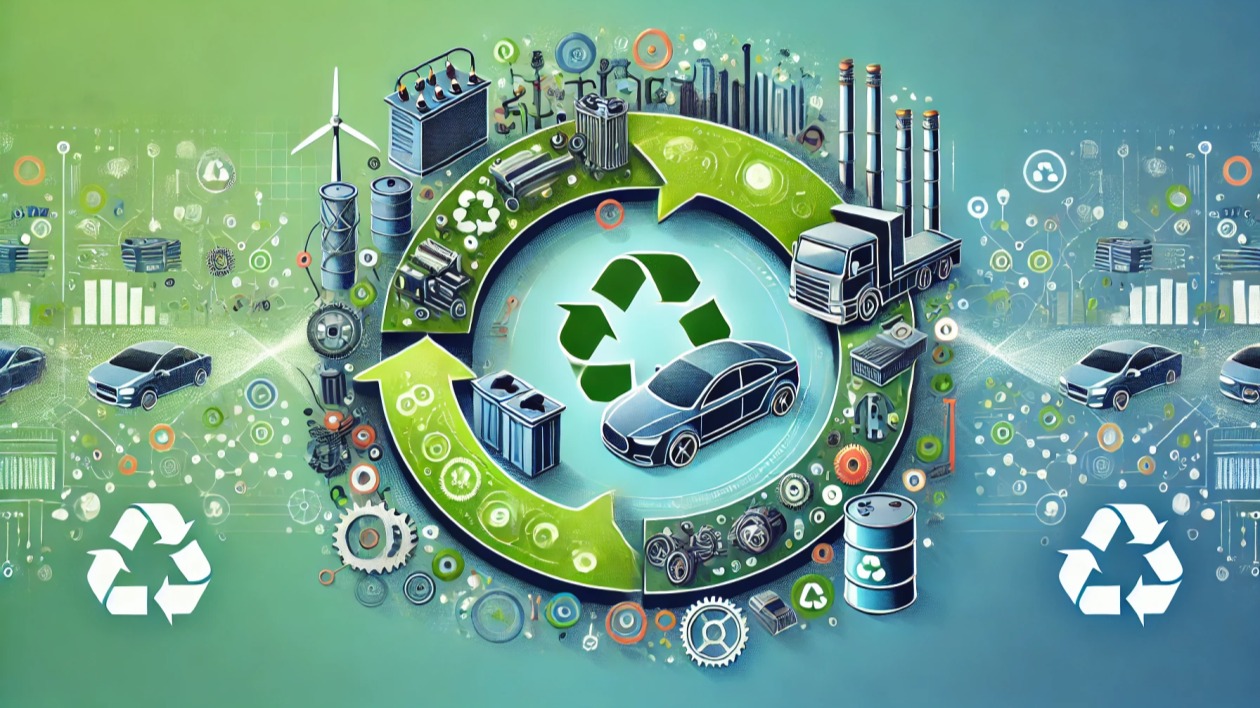
This approach aligns closely with the concept of the circular economy, where products and materials remain in use for as long as possible. Matarecycler aims to create systems that support this cycle by improving sorting accuracy and ensuring recyclable materials are not lost due to poor handling. When recyclable items are contaminated or incorrectly sorted, entire batches may become unusable. Matarecycler addresses this issue by introducing intelligent systems that enhance efficiency at every stage.
Beyond environmental goals, Matarecycler also emphasizes public awareness and participation. Recycling is most effective when communities understand their role in the process. By integrating user-friendly interfaces and educational tools, Matarecycler encourages responsible recycling habits that lead to long-term positive impact.
How Matarecycler Integrates Smart Technology
Technology plays a central role in the effectiveness of Matarecycler. Modern recycling challenges require more than manual sorting and basic collection systems. Matarecycler incorporates advanced tools such as artificial intelligence, sensor-based detection, and automated sorting mechanisms to improve precision and reduce human error.
Artificial intelligence enables the identification of different materials, distinguishing plastics from metals, glass, or paper with high accuracy. Sensors embedded in collection units can monitor fill levels and identify the types of waste deposited. This real-time data ensures that materials are sorted correctly and collected at the optimal time, reducing overflow and inefficiency.
Data analytics further enhances the system by providing insights into recycling behavior and waste patterns. Municipalities and organizations can analyze trends, adjust collection schedules, and allocate resources more effectively. This data-driven approach transforms recycling from a reactive process into a proactive and optimized system.
By combining these technologies, Matarecycler creates a seamless connection between waste producers and recycling facilities. The result is a smarter infrastructure that minimizes contamination, reduces operational costs, and increases the volume of materials successfully recycled.
Environmental Impact of Matarecycler
The environmental benefits of Matarecycler are substantial. One of the most pressing concerns in waste management is landfill overflow. Landfills produce harmful greenhouse gases such as methane, which contribute significantly to climate change. By diverting recyclable materials away from landfills, Matarecycler helps reduce these emissions and extends landfill lifespan.
Another major environmental advantage is the conservation of natural resources. Recycling materials such as aluminum, paper, and plastic reduces the need for raw material extraction. Mining, logging, and oil extraction are energy-intensive processes that often damage ecosystems. When Matarecycler systems successfully recover materials, they reduce the demand for new resource extraction and lower overall energy consumption.
Water conservation is another indirect benefit. Many manufacturing processes require significant water usage. Recycling materials often consumes less water compared to producing items from virgin resources. Through improved sorting and processing, Matarecycler supports a more sustainable manufacturing cycle.
Additionally, reducing contamination in recycling streams ensures that more materials can be effectively processed. Clean recycling streams lead to higher-quality recycled products, which strengthens the overall sustainability loop. This positive cycle contributes to long-term environmental resilience.
Economic and Operational Advantages of Matarecycler
While environmental sustainability is a key focus, Matarecycler also offers meaningful economic advantages. Waste management systems that rely heavily on manual labor and inefficient logistics often face high operational costs. By incorporating automation and data optimization, Matarecycler reduces unnecessary expenses and improves efficiency.
Optimized collection routes, guided by real-time data, reduce fuel consumption and transportation costs. Automated sorting systems lower labor demands and improve processing speed. These efficiencies translate into financial savings for municipalities and private organizations.
Businesses that adopt Matarecycler systems also benefit from improved sustainability reporting. Many industries are now required to meet environmental regulations and demonstrate responsible waste management practices. By implementing advanced recycling solutions, companies can strengthen their compliance and enhance their brand reputation.
In competitive markets, sustainability is no longer optional. Consumers increasingly prefer brands that prioritize environmental responsibility. Matarecycler enables businesses to align with these expectations while improving operational performance.
Matarecycler in Residential and Community Settings
Households play a critical role in the success of any recycling system. Matarecycler supports residential integration by simplifying the recycling process and providing clear guidance. When individuals understand how to separate materials correctly, contamination decreases and recycling efficiency improves.
Smart bins equipped with sensors can notify users when they are full or provide feedback on proper sorting practices. Educational platforms associated with Matarecycler systems may offer tips, tracking tools, and progress reports to encourage consistent participation. This feedback loop fosters a sense of accountability and engagement.
Communities that implement Matarecycler initiatives often experience increased recycling rates and greater public awareness. Schools, residential complexes, and local organizations can benefit from structured recycling programs that integrate technology and education. When recycling becomes convenient and transparent, participation naturally increases.
Matarecycler for Businesses and Urban Infrastructure
Urban environments generate vast amounts of waste daily. Retail centers, office buildings, manufacturing facilities, and hospitality businesses contribute significantly to waste streams. Matarecycler provides scalable solutions designed to handle high volumes of recyclable materials efficiently.
Large-scale facilities can integrate automated sorting systems that streamline processing and improve recovery rates. Data analytics tools allow organizations to monitor waste generation patterns and identify opportunities for improvement. By analyzing these insights, businesses can implement targeted strategies to reduce waste at the source.
Cities adopting Matarecycler infrastructure can optimize collection schedules and reduce operational inefficiencies. Smart waste management systems support the broader development of smart cities, where technology enhances public services and environmental outcomes. This integration contributes to cleaner streets, reduced emissions, and improved resource management.
Challenges and Future Development of Matarecycler
Despite its advantages, implementing Matarecycler systems requires thoughtful planning and investment. Initial infrastructure costs can be significant, particularly for large-scale urban deployment. However, long-term savings and environmental benefits often outweigh these early expenses.
Public education remains a crucial factor in success. Even the most advanced technology cannot compensate for improper waste disposal habits. Continuous community engagement and awareness campaigns are essential to ensure consistent participation.
Looking ahead, the future of Matarecycler is promising. Advancements in artificial intelligence and robotics are expected to further enhance sorting accuracy. Integration with blockchain technology may improve transparency in recycling supply chains. Expanded global adoption could significantly reduce landfill reliance and promote sustainable production cycles worldwide.
As governments and industries prioritize environmental goals, systems like Matarecycler are likely to become standard components of modern infrastructure. Continuous innovation will refine performance, reduce costs, and expand capabilities.
Conclusion
Matarecycler represents a powerful evolution in waste management and recycling technology. By combining smart systems, automation, data analytics, and community engagement, it addresses many of the limitations found in traditional recycling models. Its environmental, economic, and operational benefits make it a compelling solution for households, businesses, and municipalities alike.
In a world facing increasing environmental pressure, smarter recycling is not just beneficial—it is essential. Matarecycler provides a pathway toward cleaner cities, reduced landfill waste, and a more sustainable future. As technology continues to advance and global awareness grows, Matarecycler stands as a symbol of how innovation can drive meaningful environmental change while supporting economic progress.