Palentu: Traditional Cornmeal Dish | History, Recipe & Benefits
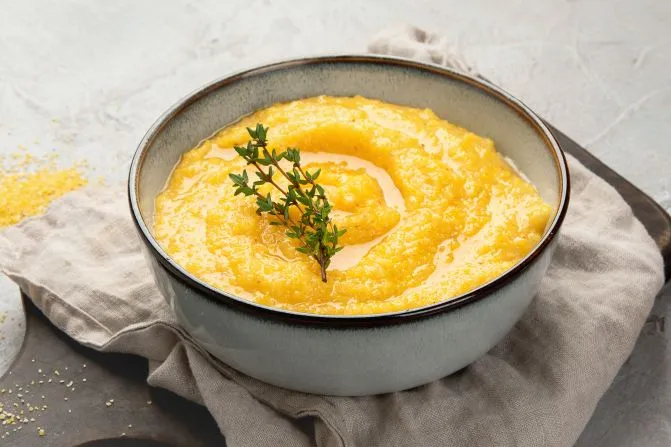
Palentu is a traditional, versatile dish made primarily from cornmeal that has been cherished for centuries across various regions, particularly in Eastern Europe and the Balkans. Often likened to polenta, the dish holds deep cultural roots and offers both savory and sweet variations depending on the preparation method. Despite regional name differences, the core of palentu remains the same: a comforting and hearty meal that brings people together.
From its origins as a rural staple in farmers’ diets to its modern interpretations in fine dining, palentu continues to evolve while maintaining its cultural and culinary significance. This article explores its rich history, preparation methods, nutritional benefits, and how it remains a beloved dish in kitchens worldwide.
What Is Palentu?
Palentu is a dish made primarily from cornmeal, which is boiled in water, milk, or broth until it reaches a smooth, porridge-like consistency. Depending on the cooking time and liquid used, palentu can be served soft and creamy or allowed to cool and firm up, making it ideal for grilling, frying, or baking. The term palentu is often used in regions like the Balkans and Eastern Europe, whereas polenta is the more formal Italian term. Despite the difference in names, the basic ingredients and preparation methods remain the same.
The Historical Journey of Palentu
The Birth of Grain-Based Dishes in Ancient Civilizations
Before the arrival of corn in Europe, many ancient civilizations such as the Romans and Greeks used barley, wheat, and millet to create hearty grain-based porridges. These early forms of porridge were foundational, providing sustenance and energy for soldiers, laborers, and everyday families. They laid the groundwork for what would later become dishes like polenta and palentu.
The Arrival of Corn: A Game-Changer for European Cuisine
Corn (maize) was introduced to Europe in the late 15th century following the discovery of the Americas. Its high yield, affordability, and adaptability to different climates made it an ideal crop. Cornmeal quickly replaced older grains like barley, marking the beginning of a culinary shift. This led to the creation of polenta and palentu, both derived from cornmeal, and becoming staple foods across Italy and its neighboring regions.
Palentu’s Role in Rural Communities: From Survival Food to Community Symbol
A Mainstay of the Working Class
For centuries, palentu was the core food of working-class families in rural communities. It was a sustaining dish that provided long-lasting energy for people working long hours in the fields or factories. Its low cost and ability to be made in large quantities made it the ideal meal to serve families during cold winter months or at the end of long, strenuous days.
Palentu as a Symbol of Shared Labor and Community Bonding
In many rural regions, the preparation of palentu was a communal activity. It was not just a meal, but an event in itself. Multiple generations would gather around to stir the large pot of boiling cornmeal, and it was a social occasion as much as it was a culinary one. The stirring of palentu was a shared responsibility, fostering a sense of community unity and family togetherness. In some cultures, this practice still continues, with families and neighbors coming together to prepare the dish for holidays or special events.
Cultural Significance of Palentu: A Dish that Brings People Together
Palentu as Comfort Food and Tradition
Palentu has transcended its humble beginnings to become a dish that evokes comfort and nostalgia in the hearts of those who grew up with it. It has become a beloved comfort food across Eastern Europe, the Balkans, and parts of the Mediterranean. Its versatility, simplicity, and affordability make it the perfect dish for large family gatherings, especially in rural communities where food was meant to be shared.
In many regions, palentu is served during harvest festivals, religious ceremonies, or family gatherings, symbolizing abundance and togetherness. The dish, in these contexts, is more than just food—it represents culture, family bonds, and tradition.
The Art of Preparing Palentu: Techniques, Variations, and Regional Influences
Traditional Method: Slow Cooking for Perfection
To prepare traditional palentu, the following steps are typically followed:
- Boil the Liquid: Choose water, milk, or broth based on the desired flavor. Milk adds richness, while broth adds savory depth.
- Add the Cornmeal Gradually: Slowly stir in the cornmeal, making sure it’s well-mixed with the boiling liquid.
- Cook and Stir: Stir continuously for 20–30 minutes, adjusting the time depending on the desired texture (creamy, medium-thick, or firm).
- Flavor Enhancements: For savory palentu, add butter, cheese, or herbs like rosemary and thyme. For sweet palentu, add sugar, vanilla, and cinnamon.
Textural Variations: Understanding the Differences
Soft and Creamy
Ideal for breakfast or as a side dish, this version is smooth and comforting. It pairs well with meats or vegetables.
Medium-Thick Palentu
This version retains some of its shape when plated but remains slightly creamy. It pairs well with sauces or gravy and can be served with a wide range of meat-based dishes.
Firm Palentu (For Grilling or Baking)
Once cooled, palentu firms up and can be sliced into pieces, then grilled, baked, or fried to create a crispy texture. This variation is often used in upscale dining or as a gourmet snack.
Texture and Uses of Palentu
| Texture | Description | Serving Ideas |
|---|---|---|
| Soft and Creamy | Velvety and smooth, served immediately | Side dish, breakfast, or paired with stews |
| Medium-Thick | Holds its shape but remains creamy | Main dish with meats, vegetables, or sauces |
| Firm | Cooled, sliced, grilled or fried | Served as a snack, grilled for upscale dishes |
Savory vs. Sweet: The Dual Nature of Palentu
Savory Palentu
Traditional savory palentu includes the addition of:
- Cheese (e.g., Parmesan, Mozzarella)
- Meat stews, sausages, or gravy
- Herbs like rosemary, thyme, or sage
Sweet Palentu
For dessert or breakfast, palentu can be made with milk and flavored with sugar, honey, or cinnamon. Fruits such as berries, apples, or dried fruits are often added for extra texture.
The Nutritional Benefits of Palentu
Nutritional Powerhouse for Sustained Energy
Complex Carbohydrates
Palentu provides a significant amount of complex carbohydrates, which are essential for sustained energy. This makes it an excellent choice for those looking to maintain a healthy and balanced diet.
Low in Fat and Naturally Gluten-Free
When prepared with minimal fats like butter or cheese, palentu is naturally low in fat, making it suitable for heart-healthy diets. Additionally, as it is made from cornmeal, it is naturally gluten-free, making it a safe and nutritious option for those with celiac disease or gluten sensitivities.
Palentu Nutritional Breakdown (per 100g)
| Nutrient | Amount |
|---|---|
| Calories | 70–120 kcal |
| Carbohydrates | 15–25 g |
| Protein | 1–2 g |
| Fat | 0–3 g |
| Fiber | 1–2 g |
| Gluten | Naturally Gluten-Free |
Health Considerations: Tailoring Palentu to Modern Diets
Palentu can easily be adapted to modern diets by:
- Using low-fat milk or plant-based milk for a vegan alternative.
- Adding vegetables like spinach, zucchini, or mushrooms for added nutrients and fiber.
- Pairing palentu with lean proteins such as tofu, chicken, or fish to make it a complete meal.
Palentu in Modern Cuisine: Rediscovery and Innovation
Reviving Tradition: Palentu in Gourmet Cooking
Modern chefs have brought a new twist to the ancient dish of palentu by incorporating gourmet techniques and innovative toppings. Palentu has found its place on the menus of fine dining restaurants, where it is often paired with exotic meats, seafood, or vegetables.
Grilled Palentu has become a particularly popular variation, where slices of firmed-up palentu are grilled and then topped with truffle oil or roasted vegetables.
Palentu as a Comfort Food Trend
As comfort foods make a return, palentu fits perfectly into this movement. Its ability to be adapted to modern culinary trends while maintaining its deep connection to historical roots makes it a dish beloved by all generations.
Palentu vs. Polenta: Clarifying the Differences
Palentu and polenta are fundamentally the same dish but are distinguished by regional terminology. Polenta is the Italian term, while palentu reflects a regional variation. Both dishes are made from cornmeal and can be prepared with the same techniques.
Palentu vs. Polenta
| Aspect | Palentu | Polenta |
|---|---|---|
| Term Usage | Regional / Informal Spelling | Standard Italian Term |
| Main Ingredient | Cornmeal | Cornmeal |
| Preparation Method | Boiled and Stirred | Boiled and Stirred |
| Cultural Context | Regional Adaptation | Italian Culinary Tradition |
| Texture Options | Soft or Firm | Soft or Firm |
FAQs About Palentu
Is palentu gluten-free?
Yes, palentu is naturally gluten-free as it is made with cornmeal, which contains no gluten.
How do I make palentu firmer for grilling?
To make palentu firmer, use less liquid and cook it for a longer period. Once cooled, it can be sliced and either grilled or fried for a crispy texture.
Can palentu be made in advance?
Yes, palentu can be prepared in advance, allowed to cool, and then grilled, baked, or fried later.
What are some savory toppings for palentu?
Savory palentu can be paired with cheese, mushrooms, tomato sauces, meat stews, and a variety of herbs and spices.
Can palentu be used as a dessert?
Yes, palentu can be made into a sweet dish with milk, sugar, cinnamon, and vanilla, and served with fruits or nuts for added texture.
Conclusion
Palentu, while often overshadowed by polenta, offers a rich cultural history and an evolving presence in both traditional and modern kitchens. Its ability to adapt to both sweet and savory variations, combined with its nutritious value and comforting nature, makes it a timeless dish that brings people together. Whether enjoyed as a creamy side dish, grilled snack, or gourmet entrée, palentu remains an enduring symbol of cultural heritage, community, and culinary innovation.